

If you've ever caught your cat sniffing your dinner, you're not alone. Cats are naturally curious, but many human foods toxic to cats can cause serious health problems—even in small amounts. Knowing what foods to avoid is one of the easiest ways to keep your furry friend safe and healthy.

1. Chocolate
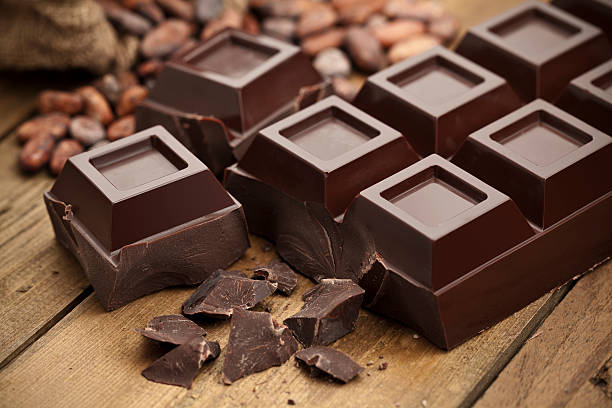
Chocolate contains theobromine and caffeine, two substances that are highly toxic to cats. Even a small piece can lead to vomiting, restlessness, rapid heartbeat, tremors, or seizures.
2. Onions, Garlic, and Chives
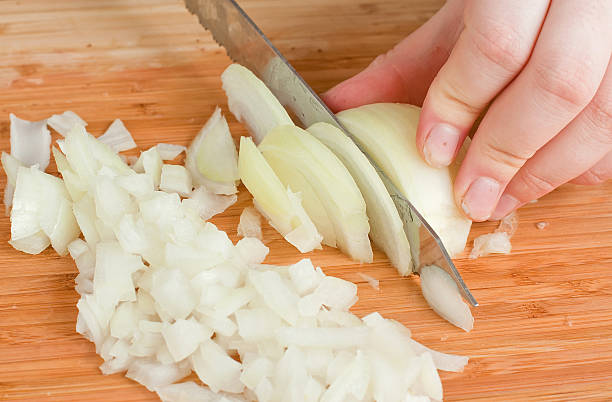
Whether raw, cooked, powdered, or dried, these ingredients can damage your cat's red blood cells and cause anemia. Many soups, sauces, and seasonings contain hidden onion or garlic, so always check ingredient labels.
3. Grapes and Raisins
Although the exact reason isn't fully understood, grapes and raisins have been linked to kidney failure in cats. It's best to keep them completely out of your pet's reach.

4. Alcohol
Alcohol is extremely dangerous for cats. Even tiny amounts can affect their nervous system, causing disorientation, breathing difficulties, coma, or worse. Never leave alcoholic drinks unattended around pets.

5. Caffeine
Coffee, tea, energy drinks, and caffeinated sodas can all be harmful. Too much caffeine may cause hyperactivity, elevated heart rate, muscle tremors, and seizures.

6. Xylitol
Xylitol is a common artificial sweetener found in sugar-free gum, candy, baked goods, and some peanut butter brands. While it is more commonly associated with dogs, it's safest to keep all xylitol-containing products away from cats.
7. Raw Dough
Unbaked bread dough can expand inside a cat's stomach, causing painful bloating. As the yeast ferments, it also produces alcohol, creating another dangerous health risk.

8. Raw Meat, Fish, and Eggs
Raw foods may contain harmful bacteria like Salmonella or E. coli. Raw fish also contains an enzyme that can reduce vitamin B1 levels, potentially leading to neurological problems over time.

9. Dairy Products
Despite the popular image of cats drinking milk, many adult cats are lactose intolerant. Milk, cheese, and ice cream may cause digestive upset, diarrhea, or stomach discomfort.

10. Fat Trimmings and Cooked Bones
Fatty leftovers can contribute to digestive issues and pancreatitis. Cooked bones are equally dangerous because they can splinter, creating choking hazards or internal injuries.

Signs Your Cat May Have Eaten Something Toxic
If your cat accidentally consumes a harmful food, watch for symptoms such as:
-
Vomiting or diarrhea
-
Loss of appetite
-
Drooling
-
Weakness or lethargy
-
Difficulty breathing
-
Tremors or seizures
-
Unusual behavior
If you notice any of these signs, contact your veterinarian immediately.

How to Keep Your Cat Safe
The best way to prevent food poisoning is to avoid feeding table scraps and store dangerous foods securely. Offer your cat a complete, balanced diet and healthy cat-specific treats instead of human snacks.
A few simple precautions can prevent serious emergencies and help your cat enjoy a long, healthy life.
Continue Reading
Want to become an even better cat parent? Check out these helpful guides:
These articles are packed with practical tips to help you care for your feline companion from kittenhood through adulthood.
Keywords: human foods toxic to cats, toxic foods for cats, foods cats should never eat, poisonous foods for cats, cat food safety, what cats can't eat, dangerous human foods for cats, cat poisoning prevention


0 comments