

Bringing home a new kitten is exciting, but your older cat may not feel the same way at first. Cats are territorial animals, and a sudden introduction can lead to hissing, hiding, stress, or even fighting.
The good news is that introducing a kitten to an older cat can go smoothly when you take things slowly. A gradual introduction gives both cats time to feel safe, become familiar with each other’s scent, and adjust at their own pace.
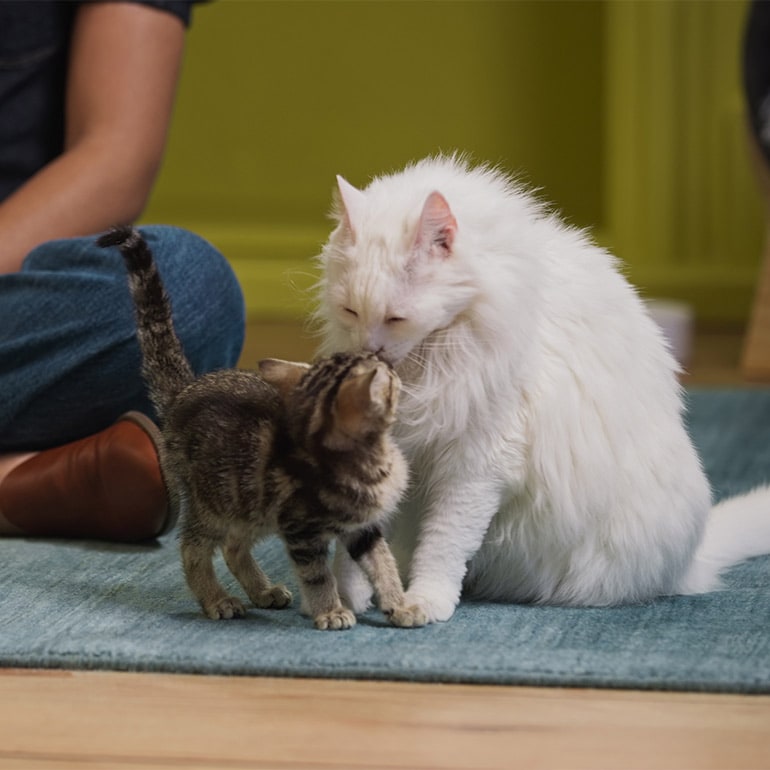
Prepare a Separate Room for Your Kitten
Before bringing your kitten home, prepare a quiet room with everything they need, including:
-
A litter box
-
Food and water bowls
-
A comfortable bed
-
Toys
-
A scratching post
-
A hiding place
Keeping your kitten in a separate room during the first few days helps prevent your older cat from feeling as though their territory has been invaded.
It also gives your kitten a safe space to settle into their new home.
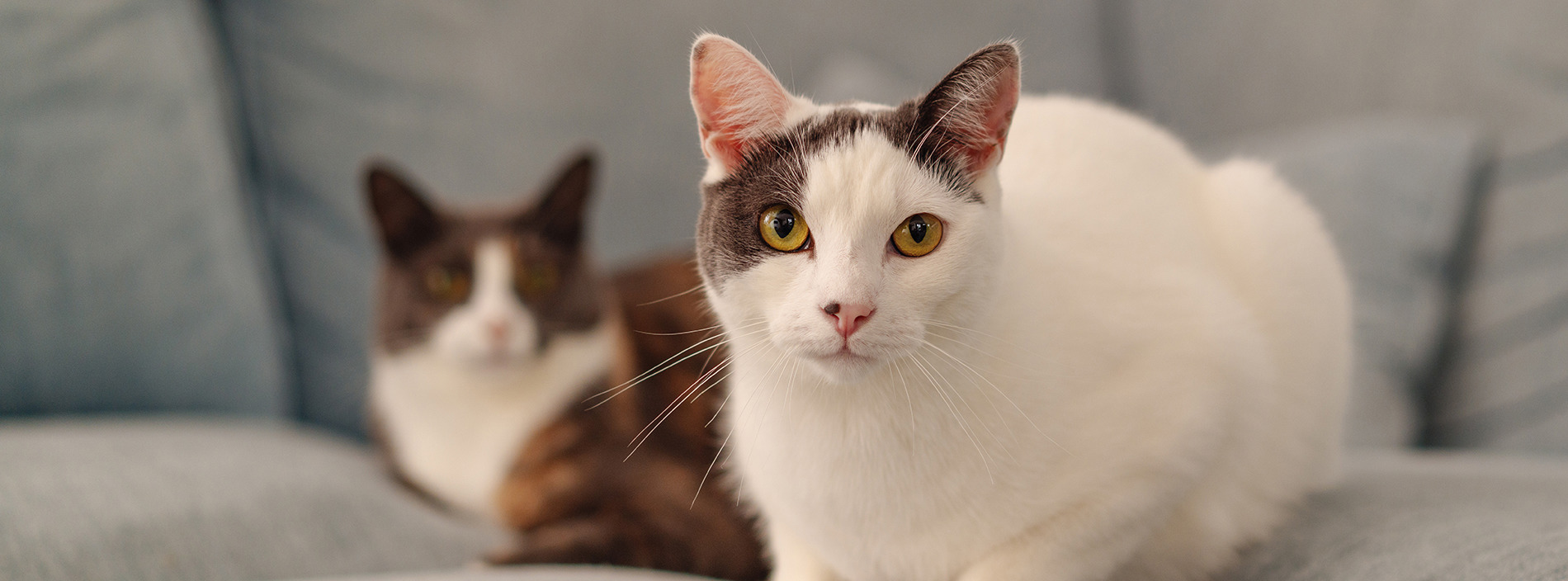
Start With Scent Introductions
Cats rely heavily on scent to recognize other animals. Before allowing the cats to meet face-to-face, help them become familiar with each other’s smell.
You can gently rub a clean cloth on your kitten’s cheeks and place it near your older cat’s sleeping area. Then repeat the process with your older cat’s scent.
You can also swap blankets, beds, or toys between the two rooms. If both cats remain calm around the new scent, this is a positive sign.

Feed Them on Opposite Sides of the Door
Place each cat’s food bowl on opposite sides of the closed door. This allows them to smell and hear each other while enjoying something positive.
At first, keep the bowls several feet away from the door. Gradually move them closer over several meals.
If either cat stops eating, growls continuously, or appears frightened, move the bowls farther apart and try again later.
Allow Safe Visual Contact
Once both cats seem relaxed near the closed door, allow them to see each other through a baby gate, screen, or slightly opened door.
Keep these first visual introductions brief. Offer treats, toys, or praise so both cats begin associating each other with positive experiences.
Some hissing or growling can be normal during this stage. However, separate them if either cat becomes highly agitated, tries to attack, or appears extremely frightened.
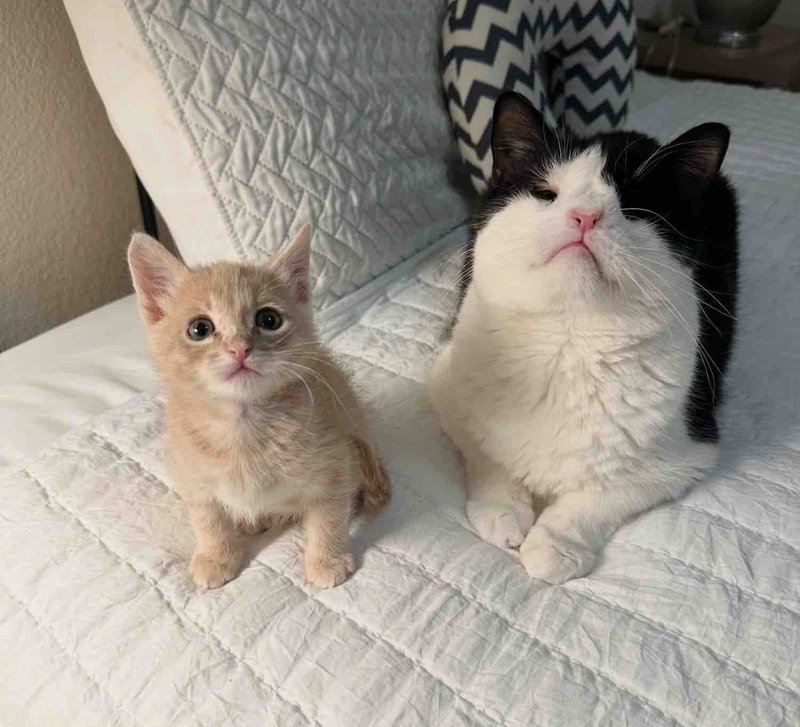
Supervise Their First Meeting
When both cats appear calm during visual contact, allow them to meet in the same room under close supervision.
Make sure the room has plenty of space and several escape routes. Never hold the cats close together or force them to interact.
Keep the first meeting short and distract them with toys or treats. End the session while both cats are still relatively calm.
Gradually increase the amount of supervised time they spend together.

Protect Your Older Cat’s Routine
A new kitten can be energetic, curious, and sometimes overwhelming. Try to keep your older cat’s feeding schedule, sleeping areas, and daily routine as normal as possible.
Continue giving your older cat individual attention and affection. This can reduce jealousy and reassure them that the new kitten is not replacing them.
It is also helpful to provide high resting areas where your older cat can escape from the kitten when they need quiet time.

Provide Separate Resources
Cats may become territorial when they have to share important resources. Each cat should have access to their own:
-
Food bowl
-
Water bowl
-
Bed
-
Scratching area
-
Hiding place
A common recommendation is to provide one litter box per cat, plus one extra. For two cats, this means having three litter boxes placed in different areas of the home.
Do Not Punish Hissing or Growling
Hissing, growling, and cautious behavior are normal ways for cats to communicate discomfort. Punishing your older cat may increase stress and create a negative association with the new kitten.
Instead, calmly separate the cats and return to an earlier stage of the introduction process.
Patience is essential. Some cats adjust within a few days, while others may need several weeks or longer.
Signs the Introduction Is Going Well
Positive signs include:
-
Calmly observing each other
-
Eating near one another
-
Playing in the same room
-
Sleeping nearby
-
Gentle sniffing
-
Relaxed body language
They do not need to become best friends immediately. Peacefully sharing the same home is already a successful beginning.
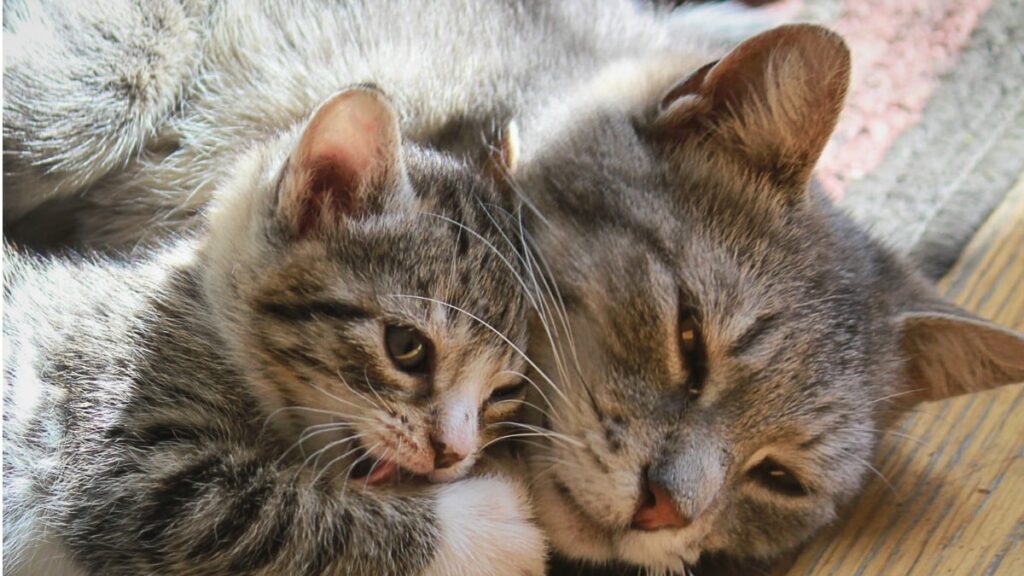
When to Seek Professional Help
Contact your veterinarian or a qualified cat behavior specialist if the cats are repeatedly fighting, refusing food, avoiding the litter box, or showing ongoing signs of severe stress.
Pain or illness can also make an older cat less tolerant of a new kitten, so a veterinary checkup may be helpful if their behavior changes suddenly.
Final Thoughts
Introducing your kitten to an older cat should never be rushed. Begin with separate spaces, exchange scents, allow controlled visual contact, and supervise their first meetings.
With patience, positive reinforcement, and enough personal space, most cats can learn to accept each other and live comfortably together.
Continue Reading
Preparing for life with a new kitten? Explore more helpful Pawder guides:
Keywords: introducing your kitten to an older cat, how to introduce a kitten to an older cat, introducing a new kitten to an adult cat, how to introduce cats to each other, kitten and older cat introduction, bringing a kitten home to an older cat, how to help an older cat accept a kitten, new kitten and resident cat, introducing a kitten to a senior cat, how long does it take cats to get along, older cat hissing at new kitten, new kitten introduction tips, safe cat introduction process, how to introduce two cats safely, cat scent swapping introduction, first meeting between kitten and older cat, how to stop cats fighting during introductions, helping cats adjust to each other, gradual cat introduction method, resident cat jealous of new kitten, older cat stressed by new kitten, how to make cats get along, introducing cats through a closed door, supervised cat introductions, signs cats are getting along, how many litter boxes for two cats, new kitten separate room setup, cat body language during introductions, how to reduce territorial behavior in cats, new kitten care tips, first-time kitten owner guide, Introducing Cats, New Kitten Tips, Older Cat Care, Cat Introductions, Kitten Care, Cat Behavior, Multi-Cat Household, Resident Cat, Senior Cat Care, Cat Body Language, New Kitten Guide, First-Time Cat Owner, Cat Training Tips, Cat Stress, Cat Communication, older cat behavior, kitten socialization, feline introductions, multi-cat home, cat territory management, scent swapping for cats, supervised cat meetings, cat adjustment tips, harmonious cat household, responsible cat ownership


0 commenti